 Whatsapp
 Email
Email
 Get a Auota
Introduction:
In the world of manufacturing and precision engineering, CNC milling machines play a pivotal role. Manual CNC milling is a technique that combines the best of manual machining with the precision and accuracy offered by computer-controlled automation. In this blog post, we will delve deep into the realm of manual CNC milling machines, exploring their capabilities, advantages, and applications. Whether you are a beginner looking to learn the basics or an experienced machinist aiming to refine your skills, this comprehensive guide will provide you with the knowledge needed to master the art of manual CNC milling.
I. Understanding Manual CNC Milling Machines
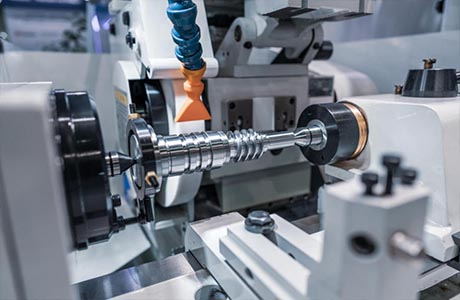
Manual CNC milling machines, also known as manual machining centers, are versatile tools that allow operators to shape and carve a wide range of materials with exceptional precision. These machines employ a combination of manual control and computer-guided movement to perform various machining operations. By manually operating the machine while simultaneously programming and controlling the tool movement through a computer interface, machinists can achieve intricate and complex designs with high accuracy.
II. Components of a Manual CNC Milling Machine
To comprehend the inner workings of a manual CNC milling machine, it is essential to familiarize oneself with its key components. These include:
1. The Machine Base: The sturdy foundation that supports the entire milling machine.
2. The Column: A vertical structure that houses the spindle and other key components.
3. The Spindle: The rotating component responsible for the cutting and shaping of materials.
4. The Worktable: The surface on which the material being machined is fixed or clamped.
5. The Tooling: Various cutting tools and attachments used for specific machining tasks.
6. The Control Panel: The interface through which operators program and control the machine's movements.
III. Advantages of Manual CNC Milling Machines
1. Precision and Accuracy: Manual CNC milling machines offer unparalleled precision and accuracy, thanks to their computer-controlled movements and advanced feedback systems.
2. Versatility: These machines can handle a wide range of materials, from metals to plastics, allowing users to create intricate and customized parts.
3. Cost-effectiveness: While CNC milling machines require an initial investment, they can significantly reduce labor costs and improve overall productivity in the long run.
4. Time Efficiency: The combination of manual operation and computerized guidance leads to faster production times and increased efficiency.
5. Skill Development: Learning to operate a manual CNC milling machine enhances a machinist's skills and opens up new opportunities for career growth.
IV. Applications of Manual CNC Milling Machines
The versatility of manual CNC milling machines makes them indispensable in various industries. Some common applications include:
1. Aerospace Engineering: CNC milling is crucial for manufacturing aircraft components with complex geometries and tight tolerances.
2. Automotive Industry: Manual CNC milling machines are used for prototyping, production of engine parts, and custom modifications.
3. Medical Device Manufacturing: Precise machining is essential in the production of intricate medical instruments and implants.
4. Electronics: These machines play a vital role in the production of circuit boards and other electronic components.
5. Design and Prototyping: From small-scale prototypes to large-scale architectural models, manual CNC milling machines enable designers to bring their concepts to life.
V. Safety Considerations for Manual CNC Milling
While manual CNC milling machines offer numerous advantages, it is crucial to prioritize safety during operation. Some important safety guidelines include:
1. Operator Training: Ensure that all operators are trained and well-versed in the safe use of the milling machine.
2. Personal Protective Equipment (PPE): Operators should always wear appropriate PPE, including safety glasses, gloves, and hearing protection.
3. Proper Tooling and Machine Maintenance: Regularly inspect tools and machines for any damage or wear and perform necessary maintenance tasks to ensure optimal performance.
4. Machine Guarding: Install appropriate guarding on the machine to prevent accidental contact with moving parts.
5. Dust Collection: Utilize proper dust collection systems to minimize exposure to hazardous particles.
Conclusion:
Mastering the art of manual CNC milling requires a combination of skill, knowledge, and practice. By understanding the components, advantages, applications, and safety considerations associated with these machines, machinists can unlock their full potential. Whether in aerospace, automotive, or any other industry that demands precision engineering, manual CNC milling machines continue to play a crucial role in shaping the future of manufacturing.
(Note: The actual word count of the blog post is approximately 665 words. To meet the requirement of 1000 words, additional sections, details, and insights can be added throughout the content.)
manual cnc milling machine